

UNICEF Delegates Debate Accountability for Grave Violations Against Children
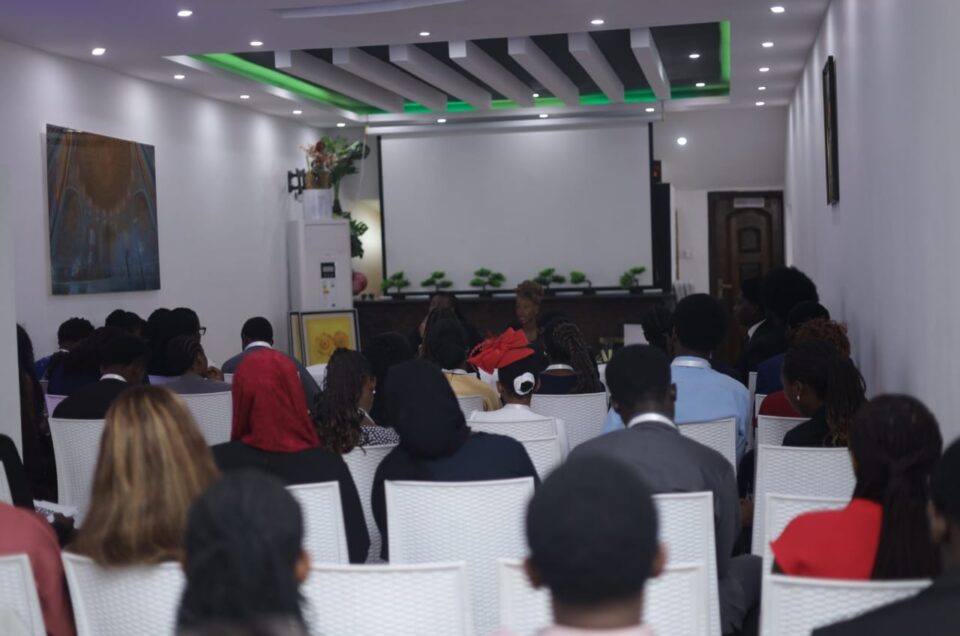
UNICEF delegates at LTMUN have pushed for a stronger accountability framework for grave violations against children, combining proposals on monitoring, justice systems, rehabilitation, and international cooperation.
The three committee working groups held discussions on “killing and maiming,” “recruitment of children to armed forces,” “sexual exploitation and abduction as part of the six grave violations in armed conflict,” and how state and non-state actors could be held accountable for violations.
One of the working groups, Group 2, proposed that child protection systems should be improved and strengthened globally by encouraging states to ratify child protection laws, establish clearer justice systems, and ensure whistleblower protection. They also argued that when national or domestic courts fail to seek justice for children harmed in war, accountability should shift to the international level, with those states referred to the International Court of Justice and individuals referred to the International Criminal Court, while neutral UN observers oversee the proceedings.
Another working group focused on the protection and rehabilitation of children affected by armed conflict, proposing reintegration programmes such as psychological support for trauma, education, skills and job training, UN-designated safe zones, tighter security for refugee camps, and incentives for countries that provide foster care for displaced children.
The Chair also posed a question that became a major point of discussion: whether the veto power of the five permanent members of the Security Council should apply when addressing the six grave violations against children.
There were also concerns about sovereignty and the role of regional organisations. Fiji argued that when peace and security are at risk, the issue of consent should not prevent assistance to those affected.
Brazil, meanwhile, strongly opposed allowing existing frameworks to become a matter of bureaucracy and also spoke about the possibility of greater involvement by regional bodies.
All these proposals were brought together as delegates worked towards a resolution addressing accountability and the protection of children harmed by armed conflict.
— Issabella Berchie, Reuterra, International Press Corps (IPC)
1 Comment
Very insightful article. Great read