

SOCHUM Delegates Debate the Fate of Stolen Heritage and Cultural Restitution
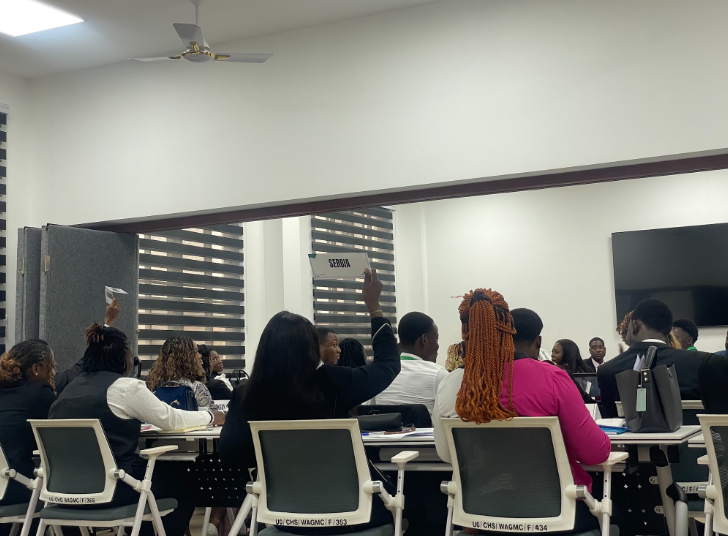
On the second day of the Lifelink Model United Nations (LTMUN) conference, delegates in the SOCHUM Committee confronted a complex question: who owns history?
The debate centred on the return of cultural property, artifacts and historical treasures removed during wartime, colonial rule or through illicit trade. As delegates presented different approaches to restitution, the discussion revealed a difficult balance between historical justice, international law and the interests of global trade.
Singapore approached the issue from the perspective of international trade and cooperation. The delegate highlighted Singapore’s position as a global trade hub and referred to the country’s Freeport, launched in 2010. Singapore also noted that it is not a signatory to the 1970 UNESCO Convention on illicit cultural property, instead favouring cooperative and voluntary arrangements that protect international trade.
The Republic of Korea took a more historical approach, drawing on the country’s 35-year experience under Japanese colonial rule. The delegation cited approximately 250,000 Korean artifacts located across 29 countries and described their dispersal as an unresolved historical wound.
Korea argued that objects taken through conquest, theft or colonisation should be returned to their countries of origin, while legitimate gifts and trade should remain unaffected. To help trace the movement of cultural property, the delegation proposed a central international digital database documenting the histories and locations of artifacts.
Spain focused on another obstacle: legal barriers. The delegation proposed modernising national legal frameworks, using UNESCO as a mediator in restitution negotiations and encouraging countries to share relevant administrative records more openly.
Belgium also acknowledged the cultural significance of artifacts removed during colonial rule, but urged caution against unilateral decisions. The delegation called for stronger international laws, joint provenance research and transparent bilateral agreements between countries.
Angola brought the discussion back to the scale of cultural loss faced by countries whose heritage has been displaced. The delegation highlighted the uncertainty surrounding the location of many Angolan cultural treasures and called for greater international cooperation to locate and return them.
The different positions showed that cultural restitution is not simply a question of moving artifacts from one country to another. For some delegates, it is closely tied to identity and historical justice; for others, the challenge lies in creating legal and diplomatic mechanisms that allow restitution to take place without undermining legitimate trade.
As the SOCHUM debate continues, the question remains how the international community can reconcile the competing demands of ownership, historical responsibility, international law and cooperation.
Rhodaline Naa Jormor Addy
Reutterra, International Press Corps, Lifelink Model UN