
The global south’s debt and multilateral lending
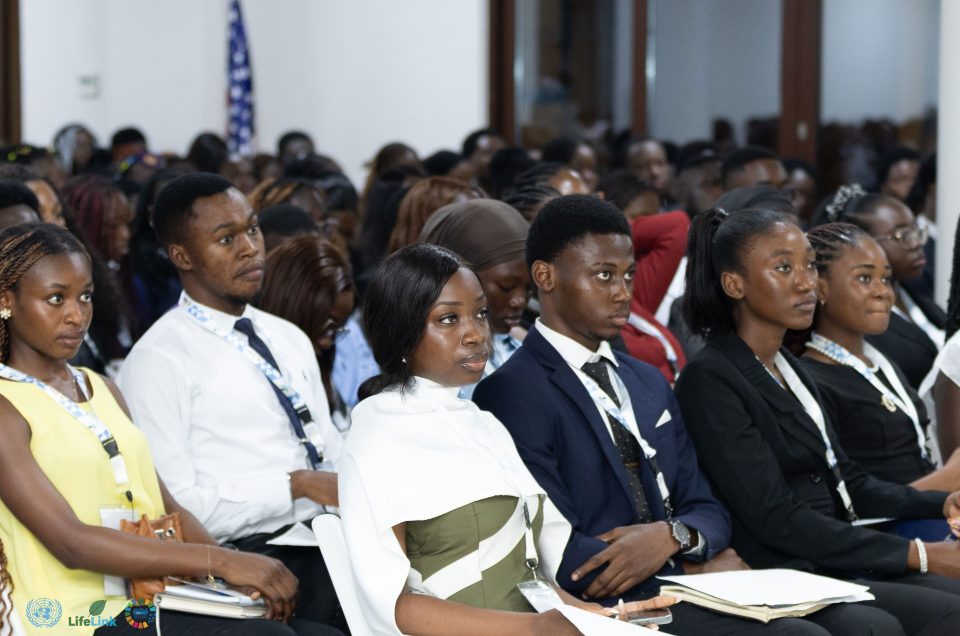
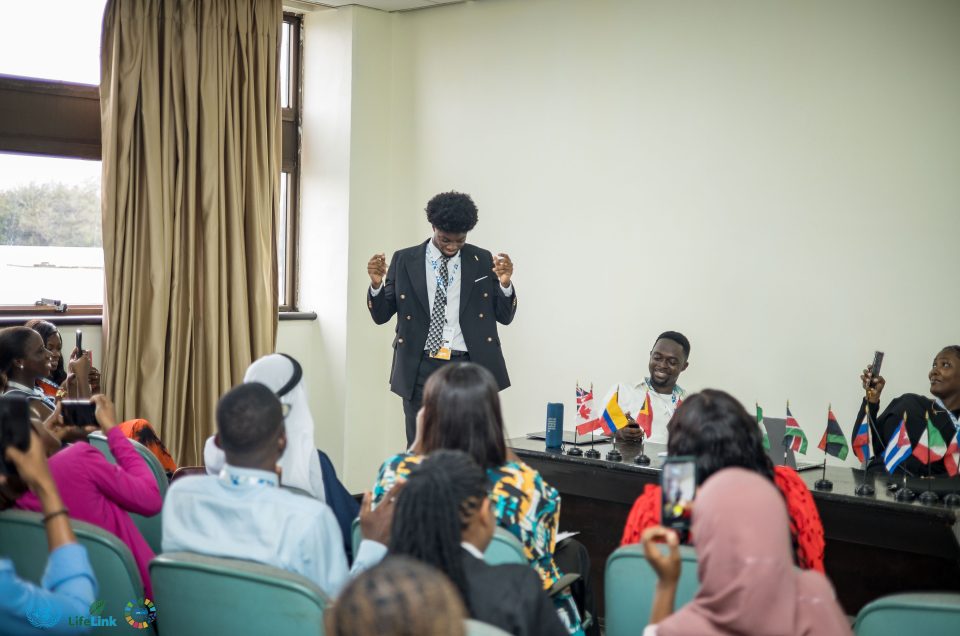
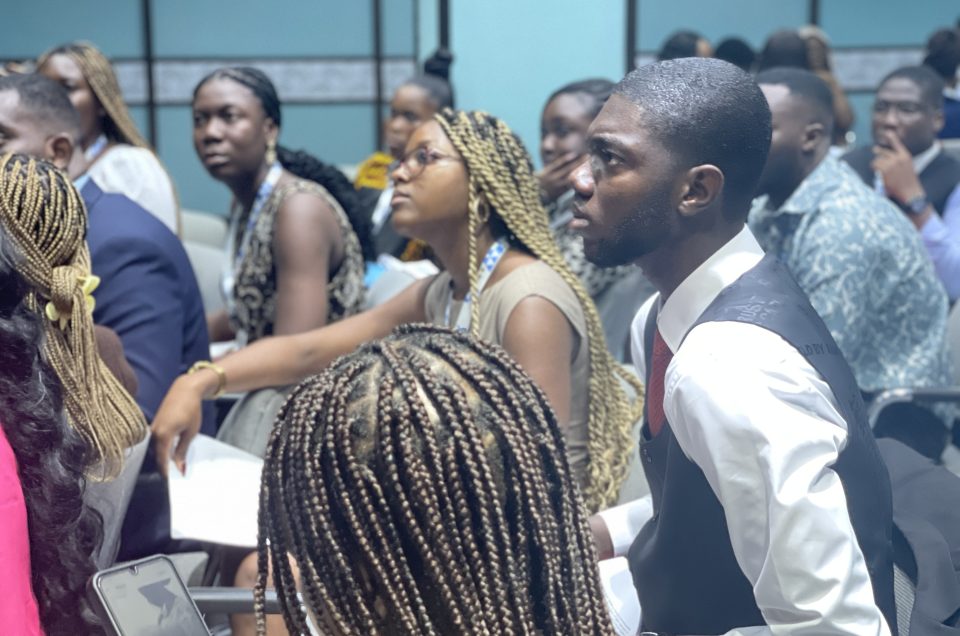
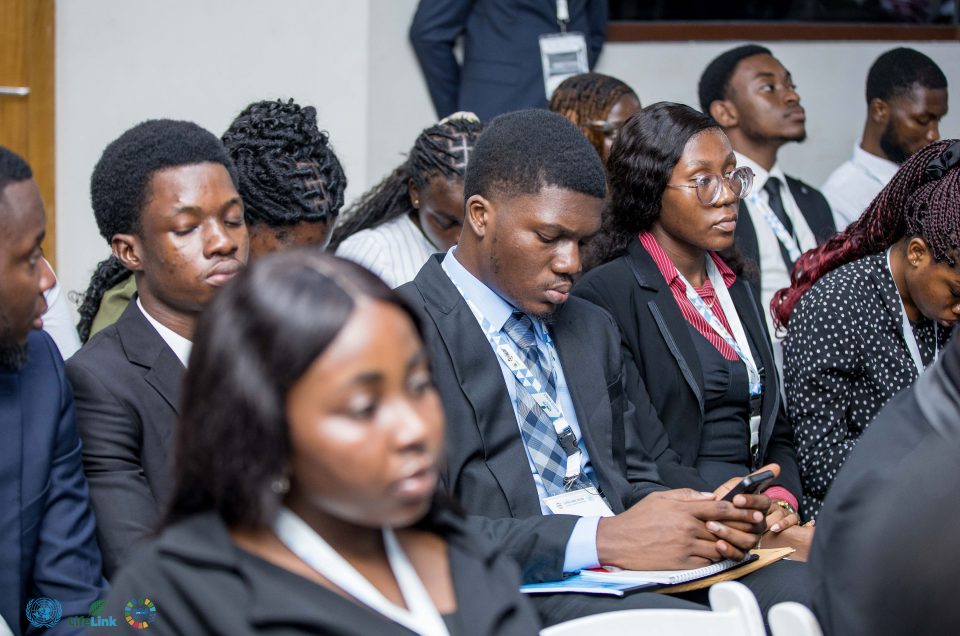
On the Day 1 of the Lifelink Model United Nations (LTMUN) 2025 conference, delegates of the Economic and Financial Committee (ECOFIN) engaged in debate about the fairness and effectiveness of multilateral loans from institutions such as the IMF and World Bank. The session sought to examine why Global South nations remain burdened with debt despite decades of lending and how loan conditionalities shape economic and social outcomes worldwide.
After reviewing fact sheets and adopting the agenda, delegates engaged in spirited discussions on whether international loans are tools for development or drivers of dependency. The debate quickly exposed a paradox: despite massive financing from global financial institutions, many countries in the Global South continue to face poverty, instability, and recurring debt crises.
A key point of contention was the conditionalities attached to loans, often requiring austerity policies and structural reforms. Critics argued such conditions deepen inequality and slow social progress, while supporters maintained that fiscal discipline and restructuring are necessary for long-term growth and stability.
As the session progressed, the committee entered a moderated caucus that highlighted the fairness—or lack thereof—of these conditions. Some delegates framed loan requirements as prudent safeguards for financial stability, while others saw them as unjust burdens that compromise national sovereignty.
Though no consensus was reached on day one, the debate set the stage for further negotiations on reform, transparency, and the balance of power in global finance. Delegates are expected to continue discussions over the coming days, with hopes of drafting a resolution before the final session. The exchanges revealed not only the complexity of global lending but also the urgency of finding fairer, more effective solutions for the Global South.
— Bryan Boifio, EuroNews, International Press Corps, LTMUN 2025